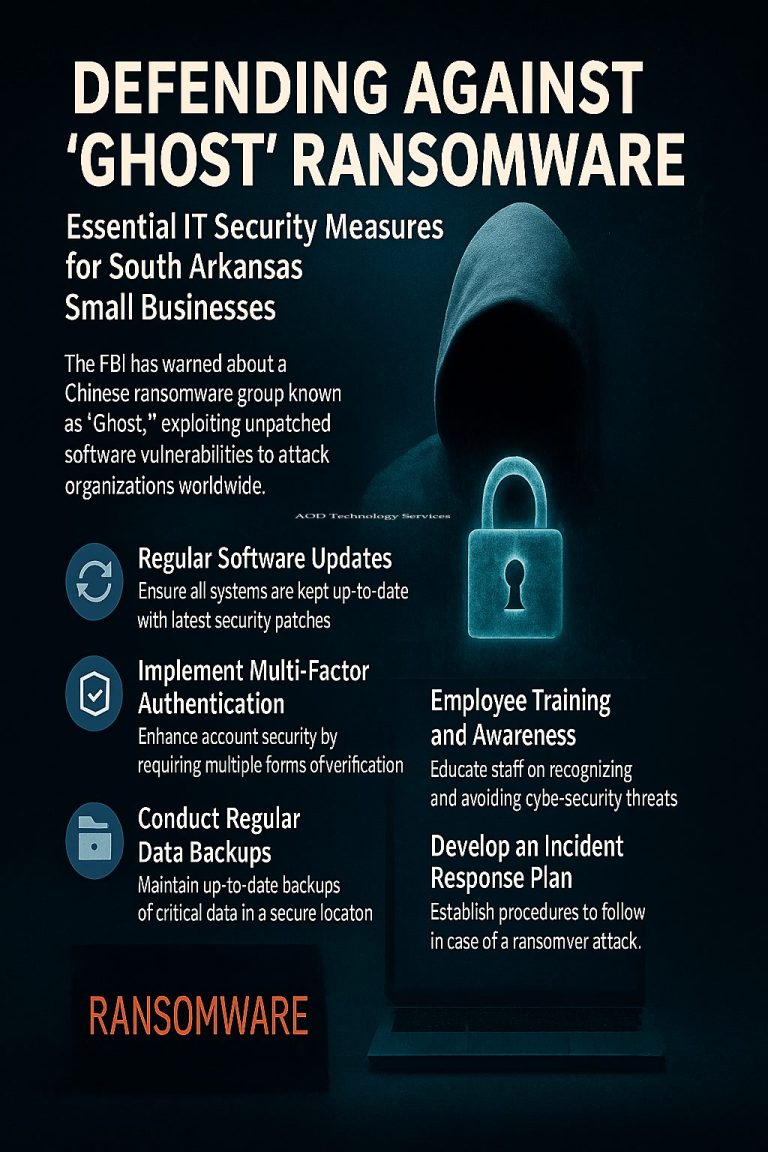
Securing the Future of IT Security
In an era defined by digital transformation, businesses are increasingly reliant on IT infrastructures that are not only complex but also perpetually under the threat of cyber-attacks. As these threats evolve in sophistication, so too must the strategies to counteract them. Enter Continuous Threat Exposure Management (CTEM), a proactive and dynamic approach to IT security that is rapidly gaining traction among organizations seeking to fortify their defenses against cyber threats.

The Rise of CTEM
The concept of Continuous Threat Exposure Management emerges from the need to go beyond traditional, reactive measures of cybersecurity. In contrast to the once-standard practice of periodic security assessments and patch management, CTEM embodies a shift towards continuous monitoring and assessment of the IT environment. This approach is not just about detecting threats as they occur but also about identifying vulnerabilities before they can be exploited.
Understanding the Landscape
CTEM operates on the premise that in the digital age, threats are omnipresent and ever-changing. Cybercriminals continuously innovate, employing new techniques and exploiting new vulnerabilities. In this context, the traditional cybersecurity model of periodic updates and patches is simply too slow and cumbersome to be effective. CTEM, therefore, advocates for a real-time approach to threat detection and response.
Key Components of CTEM
- Real-time Threat Intelligence: Leveraging AI and machine learning to analyze vast amounts of data to identify potential threats as they emerge.
- Automated Vulnerability Management: Automatically scanning for vulnerabilities across the network and applying patches or remediations as needed without human
- intervention.
- Behavioral Analysis: Monitoring user and system behaviors to identify anomalies that could indicate a security breach or malware infection.
- Risk Prioritization: Not all vulnerabilities pose the same level of risk. CTEM involves assessing the potential impact of each vulnerability and prioritizing responses accordingly.
The Benefits of Adopting CTEM
The adoption of CTEM offers several key advantages:
- Proactive Defense: By identifying and addressing vulnerabilities before they are exploited, organizations can prevent many attacks from occurring in the first place.
- Enhanced Situational Awareness: Continuous monitoring provides a comprehensive view of the security posture at any given moment, enabling more informed decision-making.
- Cost Efficiency: Although setting up a CTEM system requires an initial investment, it can ultimately save money by preventing costly breaches and reducing the need for emergency response measures.
- Regulatory Compliance: Many industries are subject to regulations that require certain levels of cybersecurity measures. CTEM can help ensure compliance with these requirements.
Implementing CTEM
Adopting a CTEM approach requires careful planning and execution. Here are some steps organizations can take to implement CTEM effectively:
- Assessment: Begin with a thorough assessment of the current security posture to identify existing vulnerabilities and security gaps.
- Technology Selection: Choose the right tools and technologies that enable continuous monitoring and automated vulnerability management.
- Integration: Integrate CTEM tools with existing IT infrastructure to ensure seamless operation and data sharing across platforms.
- Training and Awareness: Educate staff about the importance of cybersecurity and their role in maintaining it, including recognizing phishing attempts and reporting anomalies.
- Continuous Improvement: CTEM is not a set-it-and-forget-it solution. Regularly review and update security policies, procedures, and tools to adapt to new threats.
Challenges and Considerations
While CTEM offers significant benefits, there are challenges to its implementation, including:
- Resource Intensity: Continuous monitoring and management require significant computing resources and potentially increased staffing.
- Data Overload: The volume of data generated by continuous monitoring can be overwhelming, necessitating sophisticated analysis tools to filter out false positives.
- Privacy Concerns: Behavioral analysis and continuous monitoring raise privacy issues that must be addressed, to ensure compliance with laws like GDPR.
Conclusion
As cyber threats continue to evolve, so too must our approaches to cybersecurity. Continuous Threat Exposure Management represents a paradigm shift from reactive to proactive IT security. By adopting CTEM, organizations can enhance their defenses against the ever-present threat of cyber-attacks, ensuring the integrity and resilience of their digital infrastructures. In the digital battlefield, the best defense is a continuous offense, and CTEM offers just that.
Additional Reading
Cybersecurity Frameworks and Guidelines: Referencing frameworks such as the NIST Cybersecurity Framework or ISO/IEC 27001 can provide you with a deeper understanding of the standards that underpin CTEM practices.
- National Institute of Standards and Technology (NIST). “Framework for Improving Critical Infrastructure Cybersecurity.” https://www.nist.gov/cyberframework
- International Organization for Standardization (ISO). “ISO/IEC 27001 – Information security management.” https://www.iso.org/isoiec-27001-information-security.html
Industry Reports and White Papers: Many cybersecurity firms and think tanks publish reports and white papers on the state of cybersecurity and emerging trends, including CTEM.
- Gartner, Inc. “Top Security and Risk Management Trends.” https://www.gartner.com/en/documents/3981764 (Note: Gartner publications often require a subscription or purchase.)
- The SANS Institute offers numerous research documents and white papers on cybersecurity topics that are freely accessible. https://www.sans.org/reading-room
Governmental and Educational Resources: Government cybersecurity agencies and educational institutions often provide free resources and guides on cybersecurity best practices.
- Cybersecurity & Infrastructure Security Agency (CISA). “Continuous Diagnostics and Mitigation (CDM).” https://www.cisa.gov/cdm
- MIT Computer Science and Artificial Intelligence Laboratory (CSAIL). Research on cybersecurity and AI. https://www.csail.mit.edu/research
Professional Journals and Publications: Articles in professional journals related to IT security can offer insights into CTEM and its application in the industry.
- IEEE Xplore Digital Library provides access to technical literature in electrical engineering, computer science, and electronics. https://ieeexplore.ieee.org/
- Journal of Cybersecurity, by Oxford Academic, publishes accessible articles on all aspects of cybersecurity. https://academic.oup.com/cybersecurity